Woh subah kabhi to aayegi! This was the song which crept into my consciousness when I picked up the papers today morning – all of them predictably filled with news and pictures remembering the 26/11 – It been one year. Read more, watch the video – pay attention to the lyrics
Month: November 2009
Kentish Plovers do breed in Nagpur
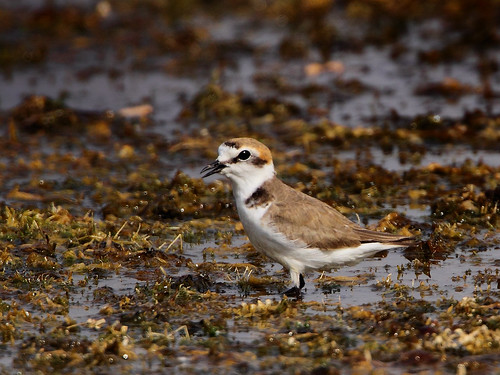
The Kentish Plover, Charadrius alexandrinus, is a small wader in the plover bird family. Despite its name, this species no longer breeds in Kent, or even Great Britain. This beautiful specimen in breeding plumage was found in the wading ground of Wena Lake about 15km from Nagpur. See more pictures and read some details
Viper rescue!

We were returning after celebrating Aasim birthday party – as we rounded a corner we saw a Tata Sumo parked in middle of the road and a few people gathered around as Swati cautiously steered around – We saw a glimpse of a snake Swati slowed and I recognized it immediately. It was a Russell’s Viper! I was out of the car even before the car halted. Continue reading Viper rescue!
Do I know that smell?!?
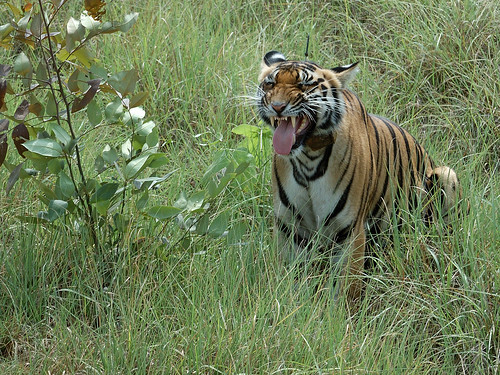
Tigers to identify his territory, the male marks trees by spraying of urine and anal gland secretions, as well as marking trails with scat. Males show what is called called the Flehmen response. In the Flehmen response, animals draw back their lips in a manner that makes them appear to be “grimacing”. The action, which is adopted when examining scents left by other animals either of the same species or of prey, helps expose the vomeronasal organ and draws scent molecules back toward it. This behavior allows animals to detect scents, for example from urine, of other members of their species or clues to the presence of prey. Flehming allows the animals to determine several factors, including the presence or absence of estrus, the physiological state of the animal, and how long ago the animal passed by. Read more in the embedded book Amur Tiger